
Can You Use HSA or FSA for Weight Loss Coaching? How It Works in 2026
What does the IRS actually allow?
The rule lives in IRS Publication 502, which lists what counts as a medical expense. Weight-loss programs are included when they are for the treatment of a specific disease diagnosed by a physician (obesity is named, as are hypertension and heart disease), and excluded when they are for general health or to improve appearance. The same logic applies to HSA and FSA spending, because both draw on the Publication 502 definition of a medical expense.
In plain language: coaching to lose weight because you would like to is not eligible. Coaching to lose weight because a doctor has diagnosed a condition that weight loss treats can be.
What is a Letter of Medical Necessity?
A Letter of Medical Necessity (LMN) is a document from a licensed healthcare provider stating that a product or service is needed to treat, prevent or manage a diagnosed condition. It is what turns a wellness purchase into a medical expense in the eyes of a plan administrator. Without one, an HSA or FSA claim for coaching is likely to be rejected; with one, it is usually approved, though administrators vary.
How does it work with Julie Salter Fitness?
Julie Salter Fitness partners with TrueMed, a company that handles exactly this step for wellness businesses. The process is short.
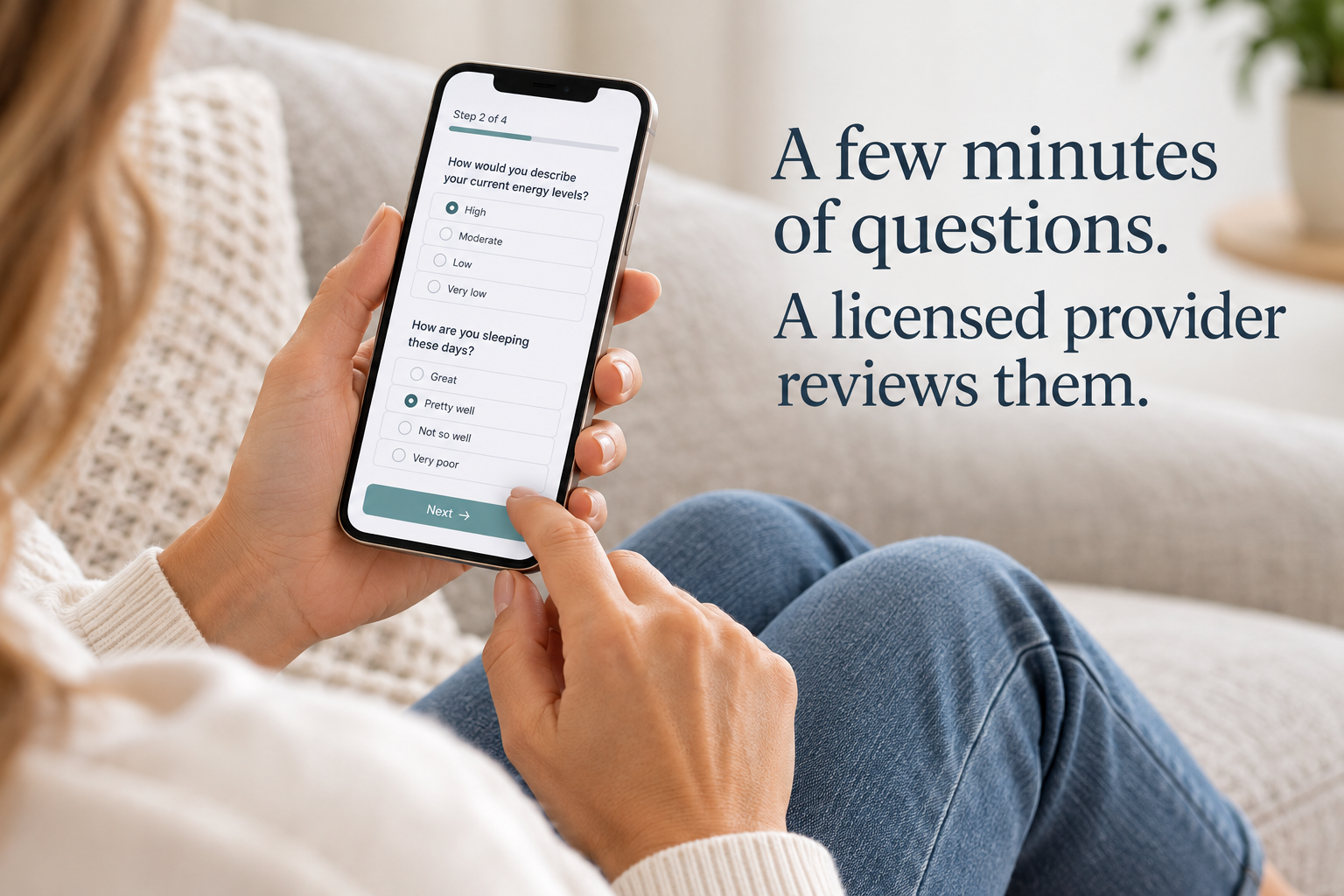
Take the eligibility survey. A few minutes of questions about your health history. It is reviewed by a licensed provider in TrueMed's network, not by Julie.
Get the Letter of Medical Necessity if you qualify. If the provider determines coaching is medically appropriate for a diagnosed condition, TrueMed issues the letter. If not, you are told plainly.
Pay with your HSA or FSA card, or submit for reimbursement. Depending on your plan, you can pay directly at checkout or pay normally and claim it back.
Keep the letter. Your administrator may ask for it, and the IRS expects you to have documentation for any medical expense you claim.
How much does it save?
HSA and FSA contributions are pre-tax, so the saving is roughly your marginal tax rate. For many people that is in the range of 20 to 35 percent of the cost of coaching, depending on federal, state and payroll taxes. On a coaching program it is a meaningful discount for doing paperwork that takes minutes. It is not a reason to buy coaching you would not otherwise buy.
Common questions about eligibility
The two questions clients ask most: "Do I need to be diagnosed with obesity?" and "Does my doctor need to be involved?" A diagnosis of a qualifying condition is what the rule turns on, and obesity is one qualifying condition among several. Your own doctor does not need to write the letter; the TrueMed provider can, based on the survey. You should still tell your doctor you are starting a program, because coaching works alongside medical care, not instead of it.
Financing if HSA/FSA does not apply
If you do not qualify, or your plan does not allow it, financing is available at checkout in the program builder so the cost can be spread over months. And the free tools on this site, the calculators and the recipe guide, cost nothing and are where most clients start anyway.
This article is general education. It is not medical advice and it is not a diagnosis.